
 Call Now

Prescription medications can be helpful when used as directed, but some medicines can lead to dependence, misuse or addiction. Problems may develop after long-term prescribed use, taking higher doses than advised, mixing medication with alcohol or other drugs, or using medication that was prescribed to someone else.
Prescription drug addiction can involve opioids, benzodiazepines, sleeping tablets, stimulants, painkillers and other medicines. The risks can include tolerance, withdrawal symptoms, cravings, secrecy, mood changes, memory problems, reduced concentration, relationship strain and physical health harm.
ONS data has highlighted the role of opiates in drug poisoning deaths, with half of all drug poisoning deaths in 2020 involving an opiate. If prescription drug use is causing concern, it is worth seeking advice before stopping suddenly.
Get in Touch
Recovery Scotland can help you understand prescription drug rehab, detox and treatment options, and what to ask before choosing a provider.
The Signs and Symptoms Of a Prescription Drug Addiction
Prescription drug misuse may begin gradually. A person may notice that a dose no longer has the same effect, that they feel anxious without the medication, or that they are taking tablets more often than prescribed.
Signs can include running out of medication early, visiting multiple prescribers, using medication to manage emotions, taking tablets in secret, mixing medication with alcohol or illicit drugs, changes in sleep, mood swings, memory problems, reduced motivation, withdrawal symptoms or continuing use despite harm.
Withdrawal can vary depending on the medication. Stopping benzodiazepines, opioids or some other medicines suddenly can be risky, so a GP, prescriber or treatment provider should advise on safe next steps.
When Should I Consider Specialist Rehab Support?
Specialist support may be worth considering when prescription drug use feels difficult to control, withdrawal symptoms are present, previous attempts to reduce have not lasted, or medication use is affecting work, relationships, finances, health or mental wellbeing.
Some people may benefit from GP-led support or community services. Others may need structured addiction treatment, detox assessment, therapy, residential rehab or dual-diagnosis support where mental health issues are also present.
When comparing providers, ask what assessment is completed, whether prescription medication detox is available, who oversees medication decisions, what therapies are included, how mental health is assessed and what aftercare is offered.
Detox From Prescription Drugs
Prescription drug detox should be planned carefully. The safest approach depends on the medication, dose, length of use, physical health, mental health, other substances and previous withdrawal history.
Some people may need gradual dose reduction, medication review or supervised detox. Others may be advised to use community or outpatient support. A qualified prescriber or treatment provider should make decisions about medication changes and monitoring.
For more detail, read about prescription drug detoxification. It is important not to stop some medications suddenly without medical guidance.
Psychological Support For Addiction
Prescription drug addiction often has emotional, psychological or practical factors behind it. Medication may have first been used for pain, anxiety, sleep, trauma, grief, stress or another health problem, and those underlying issues may still need support.
Treatment providers may offer talking therapy, CBT, relapse prevention, trauma-informed support, family support, peer support and aftercare planning. Where anxiety, depression or trauma overlap with addiction, dual-diagnosis assessment can be important.
Psychological support can help people understand triggers, cravings, routines and coping patterns, while building safer ways to manage symptoms without relying on medication misuse.
Why Consider Private Prescription Drug Rehab?
Private prescription drug rehab may offer quicker assessment, structured therapy, detox support where appropriate, residential options, aftercare planning and more intensive support than some community routes. Services vary significantly by provider.
It can help to compare wider drug and alcohol rehab in Scotland options and ask providers how they manage prescription medication dependence, mental health, pain, sleep problems and relapse prevention.
The right option should be based on assessment and suitability, not just location or speed of admission.
Some people misuse medication that was not prescribed for them, while others become dependent on medication originally taken for a genuine medical reason. Both situations deserve careful support rather than shame.
If prescription drug use is affecting safety, health or daily life, Recovery Scotland can help you explore options and prepare questions for providers.
Frequently Asked Questions
How do I achieve sobriety?
Sobriety and long-term recovery look different for each person. Some people need community support, others need detox, residential rehab, therapy, peer support or aftercare. The most suitable route depends on the medication, withdrawal risk, mental health, home environment and provider assessment.
Is there a link between addiction and mental health issues?
Yes. Prescription drug addiction can overlap with anxiety, depression, trauma, sleep problems, chronic pain and other mental health concerns. A suitable provider should assess both substance use and mental health needs when planning support.
What aftercare options may be available?
Aftercare varies by provider. It may include relapse prevention, ongoing therapy, peer support, family support, medication review, wellbeing planning and follow-up appointments. Ask providers what aftercare is included and what support is available after treatment ends.
FAQs About Prescription Drug Rehab



John Gillen
- Author
- Last updated: June 17, 2026

John has travelled extensively around the world, culminating in 19 years’ experience looking at different models. He is the European pioneer of NAD+ (Nicotinamide Adenine Dinucleotide) treatment to Europe in 2010; and recently back from the USA bringing state of the art Virtual Reality Relapse Prevention and stress reduction therapy. His passion extends to other metabolic disturbances and neurodegenerative diseases. The journey continues. In recent times, John has travelled to Russia to study and research into a new therapy photobiomudulation or systemic laser therapy working with NAD+ scientists and the very best of the medical professionals in the UK and the USA, together with Nadcell, Bionad Hospitals own select Doctors, nurses, dieticians and therapists. Johns’ passion continues to endeavour to bring to the UK and Europe new developments with NAD+ Therapy in preventive and restorative medicine and Wellness. In 2017 John Gillen was made a visiting Professor at the John Naisbitt university in Belgrade Serbia.
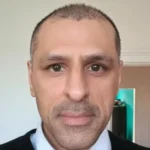
Dr Luqman Khan
- Clinical Reviewer
- Last reviewed: December 19, 2023
Dr Luqman Khan (MBchB, FRCS, MRCPsych) is a highly experienced and well-qualified psychiatrist with over ten years of experience in general psychiatry and addiction services.
He is certified by the MRCPsych and is known for his innovative approach to treating a diverse range of clients with high morbidity related to alcohol, drugs, and mental health problems.
Dr Khan utilises his extensive knowledge and experience to provide patients with the highest level of care and support in their journey towards recovery. He works closely with addiction recovery teams to develop individualised treatment plans for each patient, considering their specific needs and circumstances.
He is passionate about supporting individuals in achieving their goals and objectives and is committed to working with patients to help them overcome their addiction dependency and improve their overall well-being. Utilising evidence-based practices and the latest research in addiction treatment, Dr Khan will help ensure that patients receive the most effective care possible.
As an adept communicator with excellent interpersonal skills, Dr Khan can connect with patients from all walks of life. Patients can expect to receive comprehensive and compassionate care from Dr Khan. With his expertise and guidance, they will be given the best chances of achieving long-term recovery.
Get Help Today
If prescription medication use is becoming difficult to control, Recovery Scotland can help you understand treatment options, detox considerations and questions to ask providers.