Call Now
it We’re living in a world where drinking alcohol socially and drinking it in excess is seen as the norm. More people are increasingly seeing the negative impact of excessive alcohol consumption. Social drinking can quickly turn into a dependence on the substance, which in turn can develop into a severe alcohol addiction.
An addiction to alcohol isn’t a personal choice. It’s out of your control; despite this known fact, many people still wrongly believe that it is a choice. Alcoholism is defined as a physical and psychological behavioural illness for which you need professional rehabilitation support to overcome; this is where our team can help.
How Alcohol Affects the Skin Over Time
Alcohol doesn’t typically change the face overnight. For many people, these changes happen slowly, often without being noticed until they’ve become much more pronounced.
Over time, alcohol can interfere with the skin’s natural ability to heal and protect itself. Collagen production may decrease, which can make the skin lose some of its firmness or elasticity. At the same time, repeated inflammation caused by drinking can leave the complexion looking uneven or easily irritated.
These shifts are gradual and often very subtle at first. But it can become more visible if drinking continues over a long period.
Do All Alcoholics Have A Certain Look?
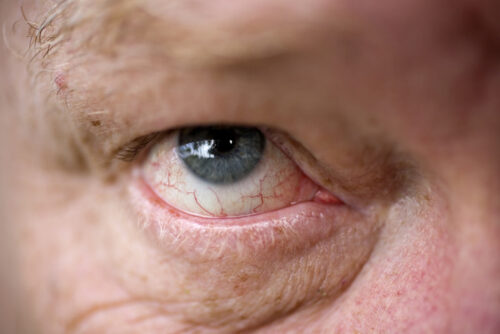
There are both physical and psychological signs of an addiction to alcohol that are fairly common in those who are suffering from alcoholism. Excessive substance abuse will cause chemical reactions in the brain, which are widely known as cravings and are extremely difficult to ignore. If you’re living with an alcohol addiction, you’ll also likely experience increased anxiety, depression, mood swings, paranoia, loneliness, stress, and low self-esteem, in addition to the more obvious physical signs of alcoholism.
Someone who is suffering from an alcohol addiction may appear to have visual skin problems, such as;
- Small red bumps on the surface of their skin.
- Pus-filled spots on their face.
- Yellow skin tone (linked to jaundice) as a result of liver problems.
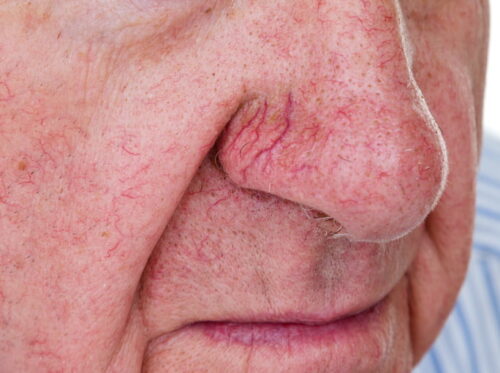
- Redness and dilated blood vessels.
- ‘Spider veins’
Redness in the face usually concentrates around the nose and cheeks as blood vessels enlarge; these can over-dilate, causing ‘spider veins’ on the skin. Excessive alcohol consumption can also cause water retention in your face, which makes it look bloated and puffy, in addition to dehydrating your body and skin, resulting in dry, wrinkled skin that can look dull and grey.
Other physical signs of someone suffering from an alcohol addiction include;
- Bloodshot eyes as alcohol irritates the blood vessels on the surface of your eyes.
- Dry or thinning hair as alcohol also dehydrates your hair.
- A bad smell as alcohol leaves the body through your breath, urine, and sweat.
They may also experience repeated infections or skin sores such as abscesses, as alcohol impairs the immune system, increasing the risk of infection.
The Role of Hormones in Facial Changes Linked to Alcohol
Something that isn’t often discussed is the way alcohol influences hormones that affect the skin. Drinking can temporarily disrupt cortisol levels, the hormone that helps regulate stress. When cortisol remains elevated, it can contribute to breakouts, flare ups of existing skin conditions and a tired appearance.
Alcohol can also interfere with hormones that regulate oil production. For some people, this leads to oilier skin, while others may experience dryness. Either way, the imbalance can affect how the face looks and feels, and may make the skin more sensitive over time.
Alcohol, Sleep and Its Impact on Facial Appearance
Sleep is one of the most important factors in maintaining healthy skin, and alcohol disrupts it more than most people realise. Although drinking may make you feel relaxed or help you fall asleep more quickly, it actually disrupts the deeper stages of sleep where the body carries out most of its repair and regeneration. When these stages are interrupted, the skin doesn’t receive the time it needs to heal, replenish moisture levels or circulate nutrients effectively.
Over time, this lack of restorative sleep can begin to show on the face. Many people notice dark circles under the eyes, a dull or uneven complexion, or a general look of fatigue that doesn’t seem to fade. These changes occur because alcohol reduces the amount of time spent in REM sleep, which is the stage that supports cell renewal and helps maintain a healthy skin barrier. When the skin barrier is weakened, the face may appear more irritated, blotchy or dehydrated.
Alcohol also affects the ability to balance fluids overnight. This can lead to excess fluid collecting under the eyes or around the cheeks, making the face look puffy or swollen the next morning. If this becomes a pattern, the puffiness can become more persistent and harder to resolve with simple rest alone.
Over longer periods, disrupted sleep combined with heavy alcohol use can make facial ageing appear more pronounced, contributing to fine lines or a more fatigued facial appearance. And for many people, the changes linked with sleep disruption are some of the earliest (yet easiest to overlook) signs that alcohol is starting to impact their health.
How To Treat Your Skin After Alcoholism?
Suppose you’re thinking of going to an alcohol rehab centre to overcome your alcohol addiction physically and psychologically.
In that case, you may also want to know how you can improve your skin, which has likely been damaged through excessive alcohol. One of the most important things you can do to rejuvenate your skin is to keep drinking water. Developing an effective skincare routine can also make a huge difference in repairing your skin. This should include applying a rich moisturiser that contains antioxidants and other ingredients such as vitamin B5 and humectants that will help to soothe and hydrate your face. This should help to reduce inflammation and hydrate your skin.
Sleeping with two pillows rather than one can actually help to minimise puffiness in your face and eyes as dark circles can be caused by fluids that gather under your eyes when your head is lying flat. Increased sleep and deep sleep will also help to reduce puffiness in your face and make you feel more energised in general.
Once you’ve stopped drinking for some time, you should over time see an improvement in your skin. You should notice:
- Brighter skin
- Fewer wrinkles
- Smaller pores
- Less redness
- Less acne
- More hydrated skin and even skin tone.
Accessing Support for Alcoholism
If you’re suffering from an alcohol addiction, it can seem as though you’re all on your own. We’re here to assure you that you’re not alone. Thousands of other people are going through a similar situation to you, and we’re here to help, just as we’ve helped countless others. By joining a professional alcohol rehabilitation programme, we can support you every step of the way. Through a 12-step programme, clinical detoxification, and into your aftercare plan once you complete your treatment programme.
Contact our friendly team at Nova Recovery to discuss your treatment options. We’re happy to answer any questions you may have about our treatment process. And if you’re happy to proceed, we can welcome you into our dedicated facility. Call us today on 01475 303998 or email info@novarecovery.com.
Back to all posts



John Gillen
- Author
- Last updated: November 26, 2025

John has travelled extensively around the world, culminating in 19 years’ experience looking at different models. He is the European pioneer of NAD+ (Nicotinamide Adenine Dinucleotide) treatment to Europe in 2010; and recently back from the USA bringing state of the art Virtual Reality Relapse Prevention and stress reduction therapy. His passion extends to other metabolic disturbances and neurodegenerative diseases. The journey continues. In recent times, John has travelled to Russia to study and research into a new therapy photobiomudulation or systemic laser therapy working with NAD+ scientists and the very best of the medical professionals in the UK and the USA, together with Nadcell, Bionad Hospitals own select Doctors, nurses, dieticians and therapists. Johns’ passion continues to endeavour to bring to the UK and Europe new developments with NAD+ Therapy in preventive and restorative medicine and Wellness. In 2017 John Gillen was made a visiting Professor at the John Naisbitt university in Belgrade Serbia.

Dr Stacey Vettraino (General Practitioner)
- Clinical Reviewer
- Last reviewed: December 15, 2023
Dr Stacey Vettraino has been a GP for over 15 years and has been involved in GP management for 7 of these. Over the last few years, Dr Vettraino has worked towards a portfolio career, working as a GP in various parts of Scotland and within the private sector – including Bupa as a private GP, Health Assessments, and Menopause Clinics. She has had a longstanding interest in psychiatry and has previously held a post in Old Age Psychiatry post-GP training focusing on dementia. Her interest in addictions has steadily grown from work as a GP and Dr Vettraino is now excited and privileged to be part of addiction treatment.