Alcoholism can affect anyone, and many different underlying causes can fuel an alcohol addiction.

Email Icon Get in Touch

Recovery Scotland can help you prepare questions about alcohol rehab, detox, treatment options, costs and aftercare before speaking with providers.

Contact Us

Understanding Alcohol Addiction

Because drinking alcohol is so common, it can be hard to notice when it becomes a problem.

Alcohol addiction means the body and mind start to depend on alcohol. A person may feel they cannot get through the day without drinking or thinking about alcohol. Drinking too much over time can change how the brain works. These changes can create strong urges to drink, called cravings. Some people also begin to use alcohol to cope with stress, worry, or difficult feelings.

These changes can happen without the person realising it. Alcohol can make problems harder to see. As addiction grows, clear problems and side effects begin to show. By this time, alcohol may have already caused serious harm.

Signs of Alcohol Addiction

With this in mind, if you’re abusing more alcohol than usual, it’s important to ask yourself:

  • Can I live through everyday life without consuming alcohol?
  • Do I feel comfortable with how much alcohol I am consuming?
  • Am I experiencing more withdrawal from alcohol than usual?
  • Do I feel more anxious or depressed, in comparison to my normal mood?
  • Have others commented on my drinking habits?
  • Do I feel like I need to drink alcohol?
  • Is alcohol controlling my life?

If you believe that alcohol has changed or impacted your life in any way, it is important that you consider the future damage you could experience if this habit continues.

For the best potential to avoid the damages of addiction, seeking help through alcohol rehab should be prioritised. No matter the degree of connection you may be experiencing with alcohol, addiction treatment is available through rehab.

When Should an Alcohol Rehab Programme be Considered?

Treatment should be considered as soon as alcohol is affecting health, relationships, work, finances, safety or mental wellbeing. Alcohol can affect judgement and make it hard to see the problem clearly, so concern from family, friends or professionals should be taken seriously.

Some people think rehab is only for severe alcohol addiction, but support can be helpful at different stages of alcohol use. Options may include GP advice, NHS or community alcohol services, counselling, outpatient treatment, medically supported alcohol detox, residential rehab and aftercare.

If alcohol is affecting daily life in any way, it is worth comparing treatment routes. Rehab can be useful where withdrawal risk, repeated relapse, unstable home life, mental health needs or distance from triggers make local support harder to sustain.

A suitable provider should explain assessment, detox needs, therapies, costs, treatment length and aftercare before you commit.

Alcohol Rehab Options to Consider in Scotland

If you are comparing alcohol rehab options, it helps to understand the difference between inpatient, residential, outpatient and community support. Each route can be valid depending on withdrawal risk, mental health, home circumstances, responsibilities and budget.

Help is available for people experiencing alcohol abuse, alcohol dependence or a longer-term alcohol addiction. Some people need detox first; others may be better suited to counselling, relapse prevention, family support or outpatient therapy.

Useful questions to ask providers include who completes the assessment, whether detox is medically supported, what therapies are included, whether mental health needs are reviewed, what aftercare is provided and what happens if relapse risk increases after treatment.

You may also find it useful to read about alcohol rehab in Scotland, alcohol detox and inpatient rehab for alcohol addiction before choosing a route.

Email Icon Get in Touch

Recovery Scotland can help you compare alcohol rehab routes and prepare questions before speaking with providers.

Contact Us

How Alcohol Rehab in Scotland Can Help

An alcohol rehab centre can provide structure, routine, therapy, relapse prevention and, where available, medical support. The right level of care should depend on assessment rather than a fixed assumption.

The main benefit of rehab is structured support. Treatment may help with cravings, triggers, withdrawal risk, mental health, coping strategies and planning for life after alcohol. Some people benefit from residential care, while others may make progress through outpatient or community support.

Because recovery needs vary, it is important to compare providers carefully. Ask what is included, whether detox is available, who oversees clinical decisions, what therapies are offered and what support continues after the main programme ends.

Recovery Scotland can help you understand those questions before making an enquiry.

FAQ's About Our Alcohol Rehab Programme

How does alcohol rehab treatment typically last for?
The length of stay we would typically recommend would be 28 days as this has proven to be the most successful timeframe for treating addiction with the least risk of a relapse occurring within 12 months after completion of the treatment.
Does Alcohol rehab have a good success rate?
The alcohol rehab treatment we provide has been used in hospitals based throughout the country and has an extremely high success rate (almost 100%) when measuring the number of individuals who have left the hospitals as fully recovered.
Would I be able to drink on special occasions after rehab?
No, we would strongly recommend that you achieve full abstinence upon leaving rehab. As just one sip of alcohol could have devastating consequences of your long term recovery.
How fast will I be able to start the treatment?
Treatment start times vary by provider and depend on assessment, detox needs, clinical suitability, availability, payment arrangements and travel. Ask each provider to explain realistic timescales before committing.
Is Transport to the rehab included with the treatment?
Transport arrangements vary by provider. Before choosing alcohol rehab, ask whether travel support is available, what areas are covered, whether it is included in the cost and what happens on the day of admission.
What to expect from Rehab?
Alcohol rehab varies depending on the provider, setting and level of support required. Some services provide outpatient appointments, while others offer residential or inpatient programmes with detox, therapy, relapse prevention and aftercare. Ask providers who oversees clinical decisions, what therapies are included, whether detox is available, how mental health needs are assessed and what support continues after treatment.

John Gillen - Author - Last updated: June 17, 2026

John has travelled extensively around the world, culminating in 19 years’ experience looking at different models. He is the European pioneer of NAD+ (Nicotinamide Adenine Dinucleotide) treatment to Europe in 2010; and recently back from the USA bringing state of the art Virtual Reality Relapse Prevention and stress reduction therapy. His passion extends to other metabolic disturbances and neurodegenerative diseases. The journey continues. In recent times, John has travelled to Russia to study and research into a new therapy photobiomudulation or systemic laser therapy working with NAD+ scientists and the very best of the medical professionals in the UK and the USA, together with Nadcell, Bionad Hospitals own select Doctors, nurses, dieticians and therapists. Johns’ passion continues to endeavour to bring to the UK and Europe new developments with NAD+ Therapy in preventive and restorative medicine and Wellness. In 2017 John Gillen was made a visiting Professor at the John Naisbitt university in Belgrade Serbia.

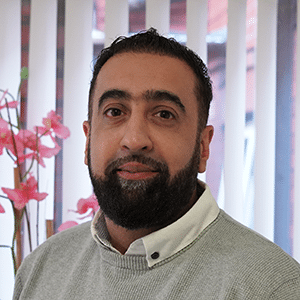
Dr Luqman Khan - Doctor at Nova Recovery

Dr Luqman Khan - Clinical Reviewer - Last reviewed: December 18, 2023

Dr Luqman Khan (MBchB, FRCS, MRCPsych) is a highly experienced and well-qualified psychiatrist with over ten years of experience in general psychiatry and addiction services.

He is certified by the MRCPsych and is known for his innovative approach to treating a diverse range of clients with high morbidity related to alcohol, drugs, and mental health problems.

Dr Khan utilises his extensive knowledge and experience to provide patients with the highest level of care and support in their journey towards recovery. He works closely with addiction recovery teams to develop individualised treatment plans for each patient, considering their specific needs and circumstances.

He is passionate about supporting individuals in achieving their goals and objectives and is committed to working with patients to help them overcome their addiction dependency and improve their overall well-being. Utilising evidence-based practices and the latest research in addiction treatment, Dr Khan will help ensure that patients receive the most effective care possible.

As an adept communicator with excellent interpersonal skills, Dr Khan can connect with patients from all walks of life. Patients can expect to receive comprehensive and compassionate care from Dr Khan. With his expertise and guidance, they will be given the best chances of achieving long-term recovery.